Steppe Lapwing – Last Chance!
The rescue project is designed for three years (2024-2026) and will be aimed at identifying limiting factors and maintaining the population of the sociable lapwing.
 Financial assistance


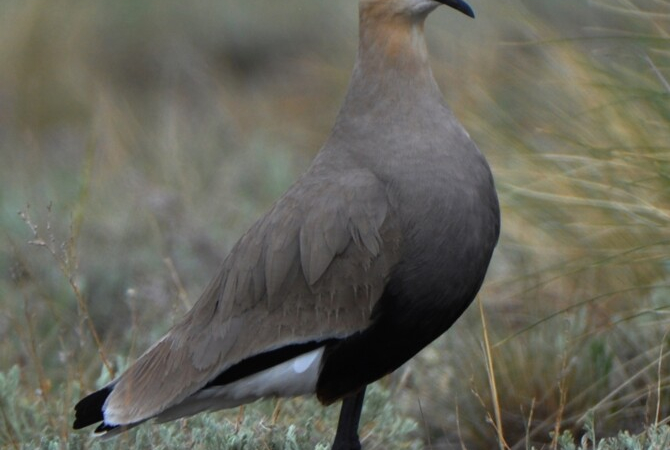
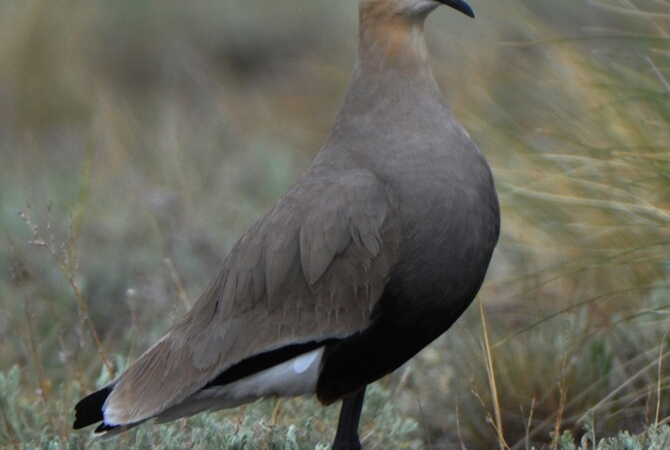
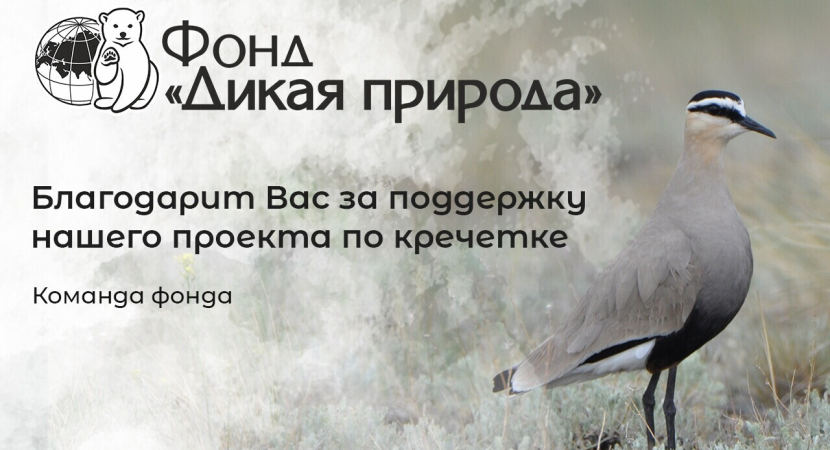
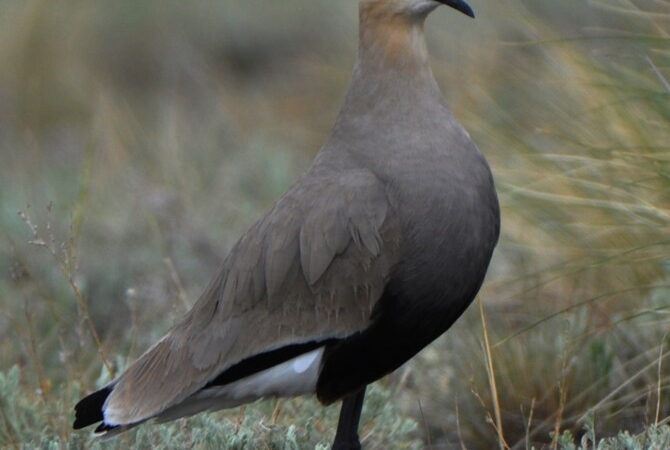
The Sociable Lapwing (Vanellus gregarius) is a globally endangered species.
It is listed in the Red Book, the IUCN Red List, included in Appendix I of the Convention on the Conservation of Migratory Species of Wild Animals (Bonn Convention), and the Bern Convention on the Conservation of European Wildlife and Natural Habitats.
The population of the species continues to decline steadily. According to ornithologists, over the past eleven years, the population has plummeted catastrophically. At present, the lapwing breeds sporadically in the steppe zone, including Altai Krai, Kurgan, Novosibirsk, Omsk, Orenburg, and Chelyabinsk regions.
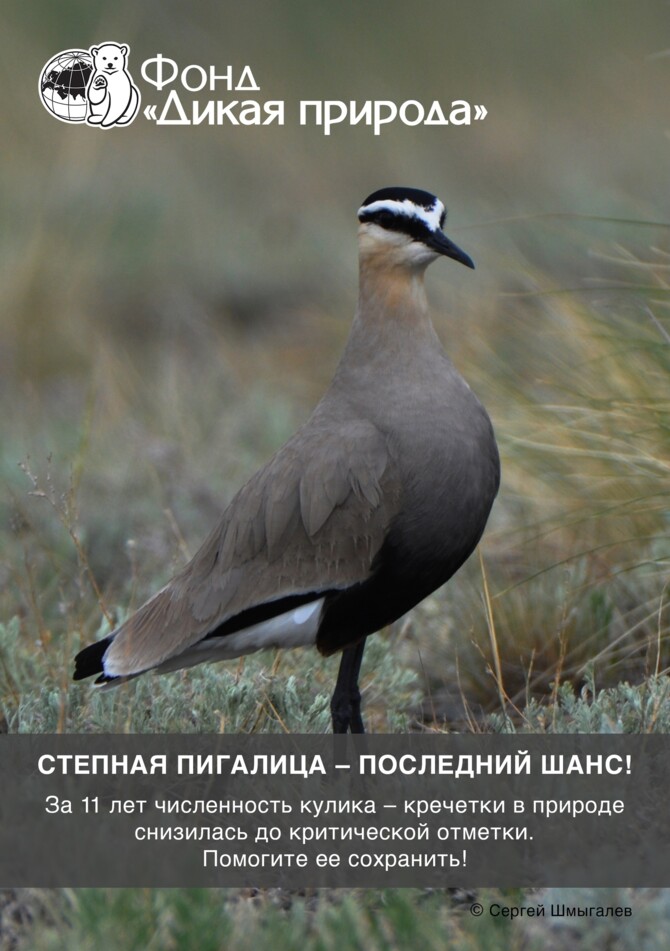
This is a three-year project (2024–2026) aimed at supporting the population and preserving the Sociable Lapwing.
We will attempt to investigate several important biological aspects of the species that may affect clutch productivity and embryo survival.
What we plan to do in 2025 if we manage to raise funds at this stage of the project:
1. Create a population status cadastre (2024–2026);
2. Determine the level of food resources in nesting areas (2024–2025);
3. Detect the presence of pesticides and heavy metals in nesting zones (2024–2025);
4. Develop possible biotechnical measures to increase nest safety and reduce predation (2024–2026);
5. Reintroduce young birds hatched from artificially incubated eggs (2025–2026);
6. Explore the possibility of captive breeding (2026);
7. Justify and initiate the creation of a protected area during the nesting season in Uglovsky District, Altai Krai (2024–2026).
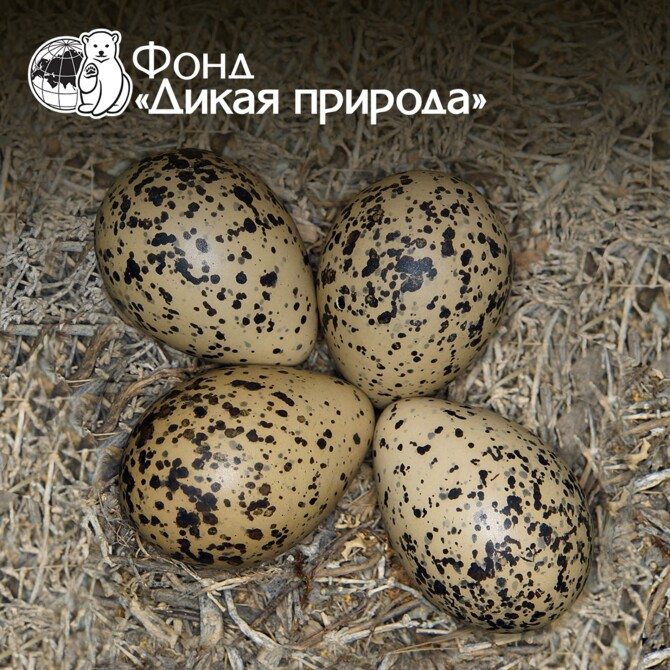
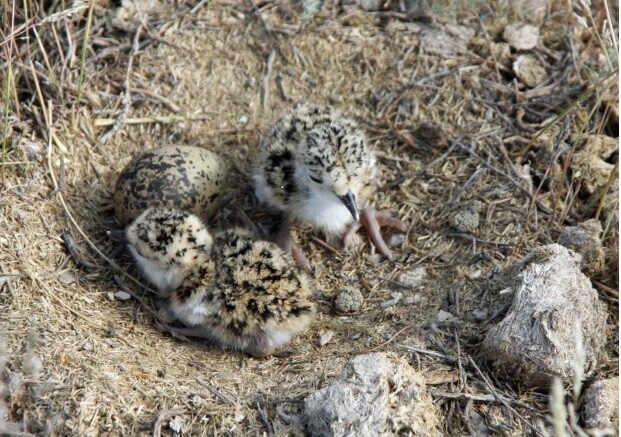
This year, with your support, we will be able to conduct lapwing population surveys and compile a preliminary cadastre to estimate their numbers. If we’re very lucky, we may even locate the nests of this remarkable bird. We will also collect eggshell samples from a closely related species — the Northern Lapwing (Vanellus vanellus) — to analyze pesticide and heavy metal levels in the nesting zones of the Sociable Lapwing.
The analysis of pesticide and heavy metal content in eggshells will be conducted in the Sanitary and Hygienic Laboratory and the Laboratory of Physico-Chemical Research Methods of the Federal Center for Hygiene and Epidemiology in Altai Krai. Pesticide exposure is extremely toxic to birds. It alters their behavior, hormone levels, and cold resistance, disrupts salt excretion, growth, and embryonic development. These may be the key factors contributing to the species’ decline.
In addition, starting in 2025, we plan to collect eggs from lapwing nests at the early laying stage. In this case, the female can complete the clutch to full size. The eggs will be incubated, and after hatching, the chicks will be hand-reared, fledged, and reintroduced into their natural habitats in the Uglovsky District of Altai Krai. A summer scientific field station will be established here, where biological research can also be conducted by university biology students.
According to our colleagues, low species productivity, combined with high mortality rates of clutches and chicks, gives very bleak prospects for survival. Therefore, we have decided to attempt ex situ conservation and captive breeding. Currently, there are no effective techniques or ongoing efforts for keeping and breeding lapwings in captivity. This may be the last chance for the species, and its success depends entirely on us and our capabilities.
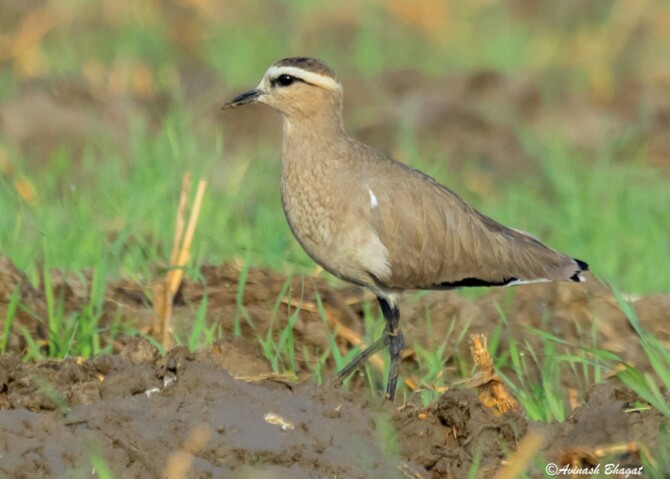
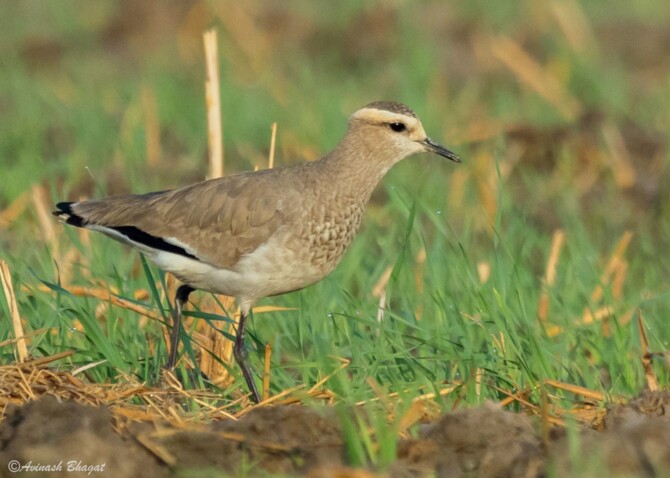
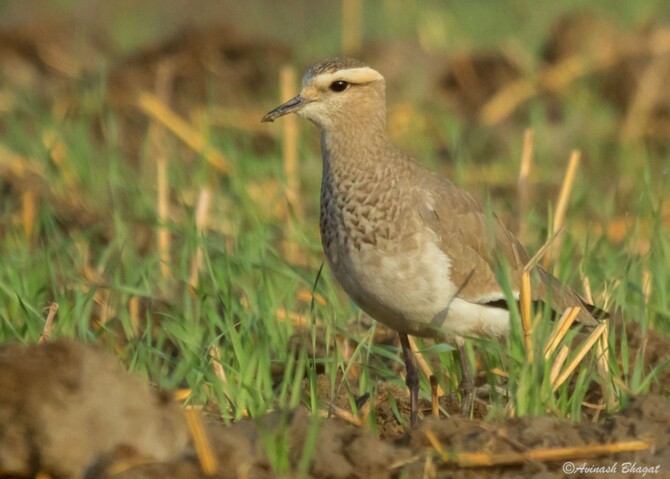
To implement all these measures, we need 9.3 million euro in funding.
The main expenses will be related to the construction of a wintering facility with climate equipment for holding young lapwings, the setup of summer enclosures in Altai Krai (Uglovsky District) for rearing and reintroducing young birds, and the construction of a permanent enclosure for overwintered captive birds. Additionally, we need to purchase a mobile cabin for security staff, motorized vehicles for field operations, and cover travel expenses for the team of ornithologists working in the nesting zones.
To prepare the main stage of the project in 2025, we need 1,260,000 euro. These funds will be used for expeditionary costs related to lapwing population counts and for preparing the population cadastre in the steppe zone, including Altai Krai, Kurgan, Novosibirsk, Omsk, Orenburg, and Chelyabinsk regions. Local ornithologists and bird enthusiasts will also be involved in the project.
Mid-April marks the arrival of the Sociable Lapwing for nesting.
Preliminary intermediate results on population status may be available by the end of summer 2025, as well as the results of pesticide and heavy metal analysis in bird eggshells.
Now more than ever, we believe in the life of this project.
Now more than ever, we hope for a miracle — and that miracle is you, our dear project supporters.
Let’s move forward — with kind hearts and good deeds!
Project Team:
Korolkov Maksim Anatolyevich. Senior researcher at the Ornithology Lab, EcoCenter "Dront". Ornithologist, birdwatcher. Winner of the "Big Year" contest in Northern Eurasia in 2016. Member of the bureau of the Wader Working Group of Northern Eurasia. Areas of expertise: study of rare and endangered vertebrate species, impact of anthropogenic factors on birds, biogeography and zoogeography, development of amateur ornithology. Project expert.
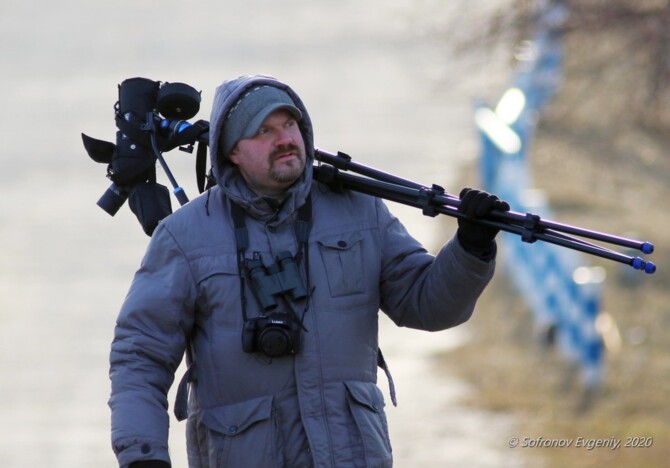
Krymov Nikolai Georgievich. Project author. Strategic development director at the “Wild Nature” conservation foundation. Zoologist. Areas of expertise: study and conservation of rare and endangered vertebrate animals; captive breeding as one of the most revolutionary and effective conservation strategies. Project leader.
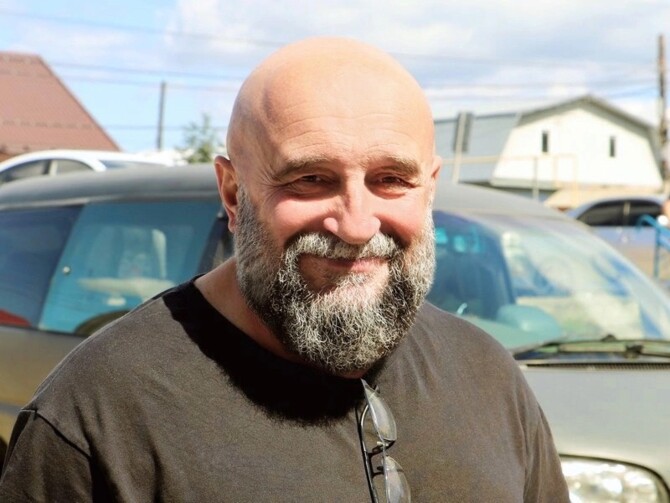
Petrov Viktor Yuryevich. Ph.D. in Biology. Head of the "Nature Museum" laboratory at the Institute of Biology and Biotechnology, Altai State University. Ornithologist. Areas of expertise: study and conservation of rare vertebrate species. Project scientific secretary.
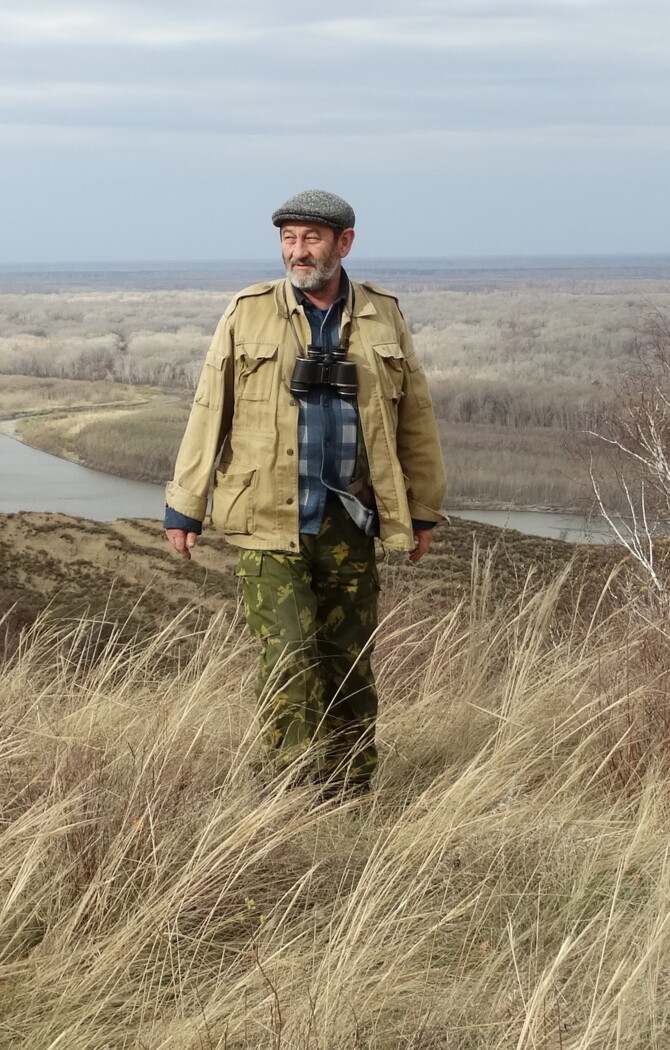
Yuri Solomonovich Ravkin. Doctor of Biological Sciences, Professor, Honored Scientist of the Russian Federation. Ornithologist, leading specialist in bird population spatial organization. Areas of expertise: study of population heterogeneity and conservation of terrestrial vertebrates. Project expert.
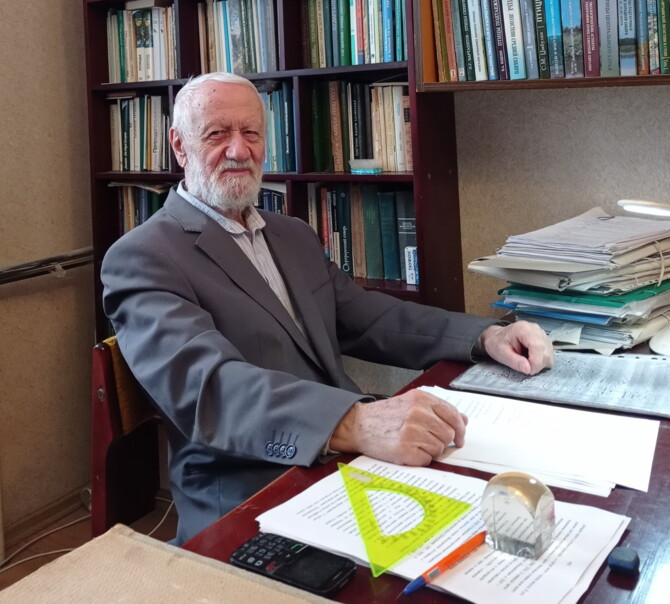
Institute of Biology and Biotechnology, Altai State University. Director: Smirnov Sergey Vladimirovich, Ph.D. in Biology, Associate Professor.
Scientific partner of the project.
“Wild Nature” Public Environmental Foundation. General Director: Shishokin Sergey Sergeyevich.
General partner of the project.

With support from:
Ministry of Natural Resources and Ecology of Altai Krai. Acting Minister of Natural Resources and Ecology: Andrey Nikolaevich Strelkovsky.
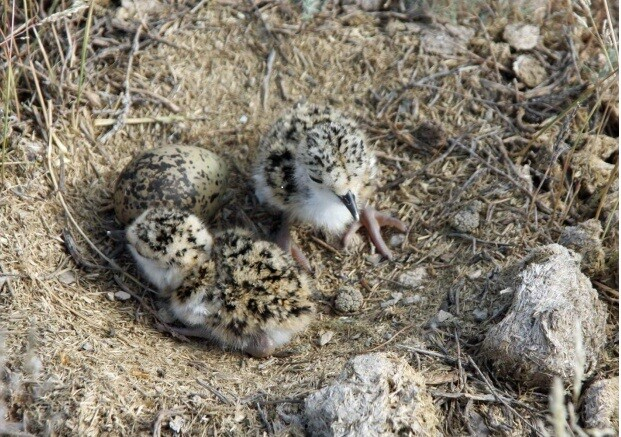
Do you know what Pigalitsa means?
There has been a titanic shift in our project in the last few days!
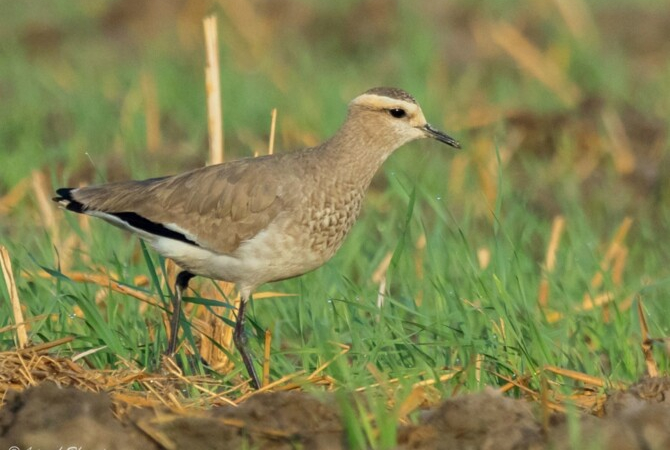
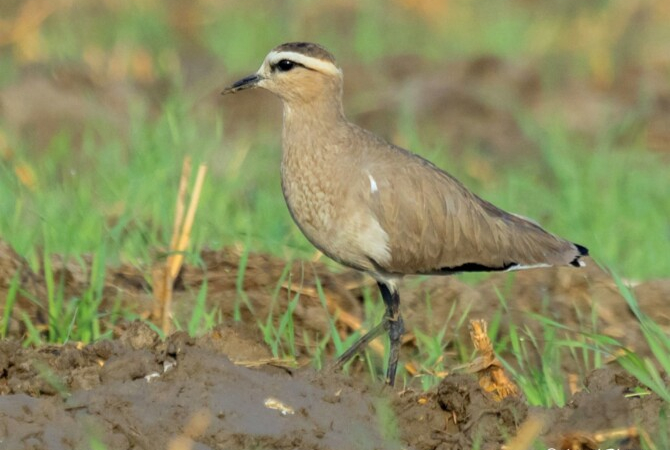
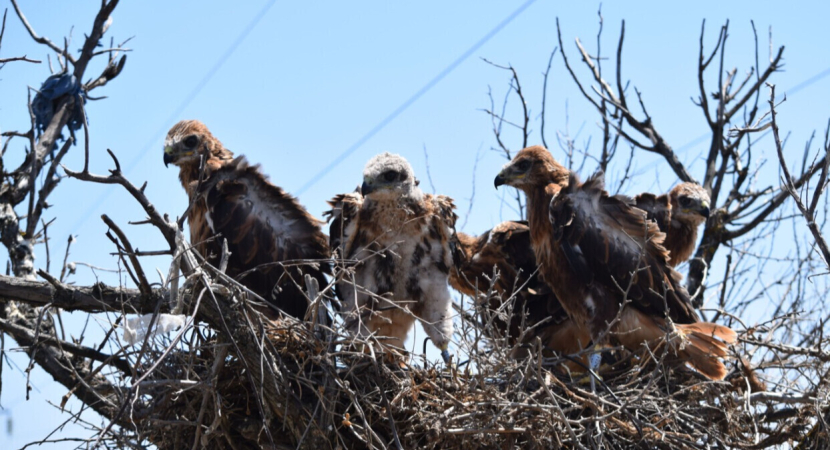
As we wrote earlier, with the onset of winter, the sociable falcons flew away to their wintering grounds.

Interview about volunteering in Anapa
Interview about volunteering in Anapa
Good day to all!
Nikolay Krymov gave an interview about his volunteering experience on the Tolk TV channel. About the scale of the tragedy in Anapa, about the problems that Nikolay faced - watch the video below.

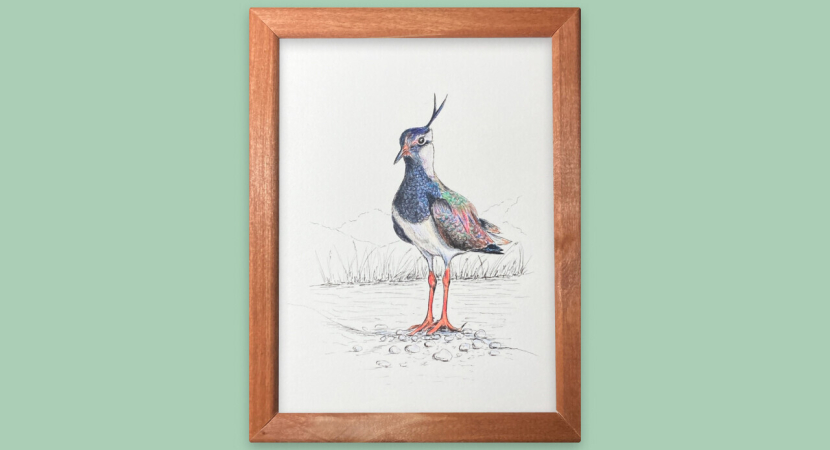
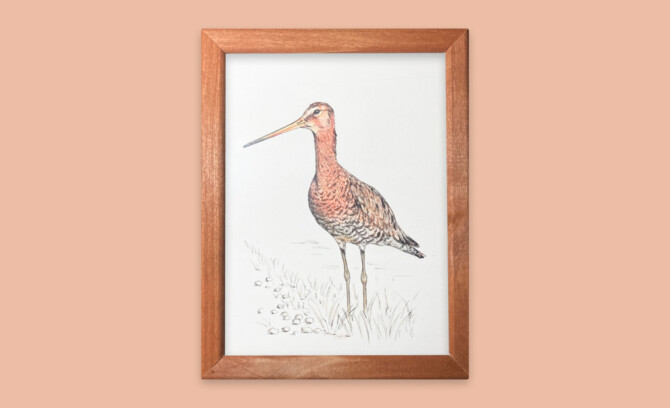
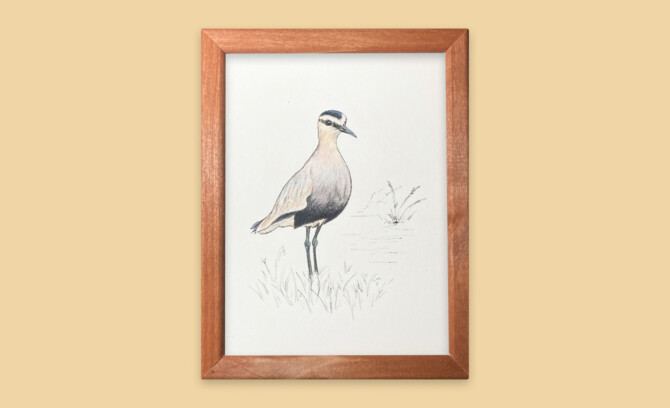
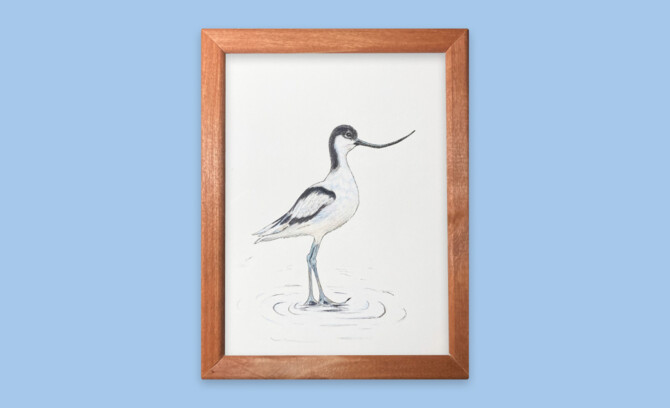
Our project has some wonderful lots - interior paintings in frames.
Friends!
Our project has wonderful lots - interior paintings in a frame.
These are the works of our Altai artist Irina Kuznetsova. Worthy and wonderful works!
All these paintings have returned from the future - yes, that's right. We are working on a project in memory of our teacher, scientific director Eduard Andreevich Irisov (1935-1995) - scientist, ornithologist, doctor of biological sciences.
The book-album will include drawings of waders as illustrations.
So everyone who buys these paintings will receive bonuses from this project, which is planned for the end of this year.
Hurry up!
There are illustrations available:
- avocet sandpiper,
- sociable sandpiper,
- great-tailed sandpiper
- lapwing sandpiper
All paintings are in frames, size 150x210.
Everything is one of a kind!
Choose the option you like, become the owner of incredibly beautiful works!
By the way, by purchasing these works, you bring us closer to 50% collection, which according to the rules of the site will be considered a successful collection!
Let's do it together!
Спасибо, но я хочу поддержать проект без награды, но с улыбкой на лице!
3 декабря - Ежегодный день благотворительности. В этот день миллионы людей объединяются, чтобы поддержать проекты


Спасибо за поддержку проекта!
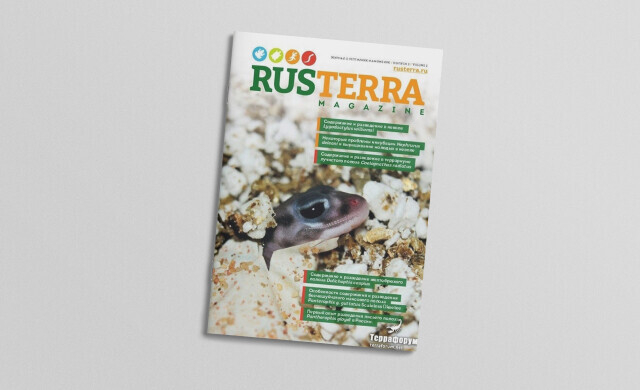
Журнал «RusTerra magazine» 2-5 номер с подписью ответственного редактора журнала Николая Крымова.
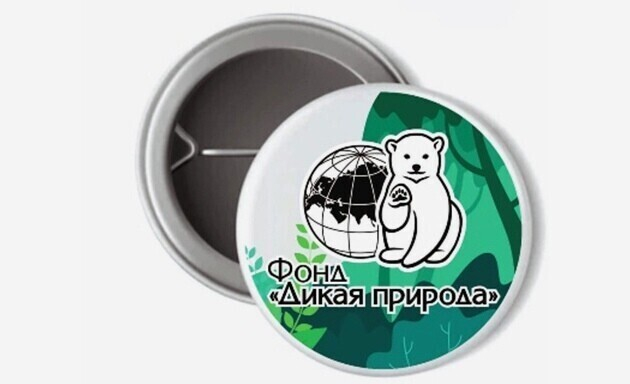
Значок с эмблемой природоохранного фонда "Дикая природа". Диаметра значка - 56 мм.
Публичная именная благодарность в группе Природоохранного фонда "Дикая природа", с указанием имени участника проекта.
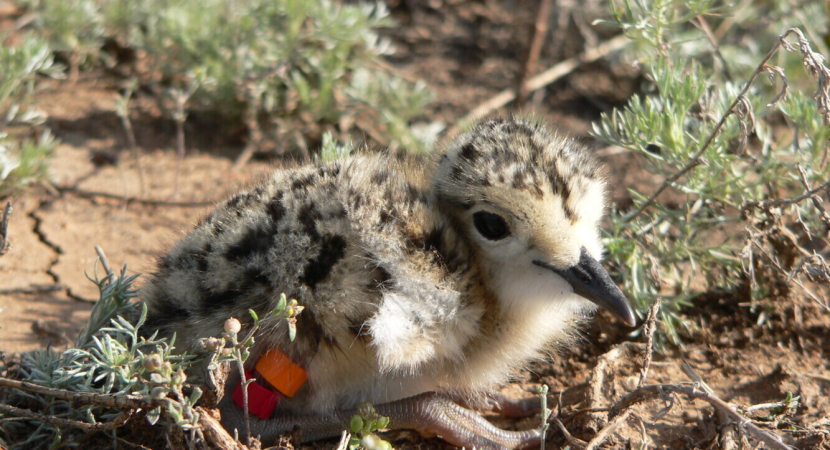
Фотография в рамке "Птенец кречётки" от члена команды Максима Королькова
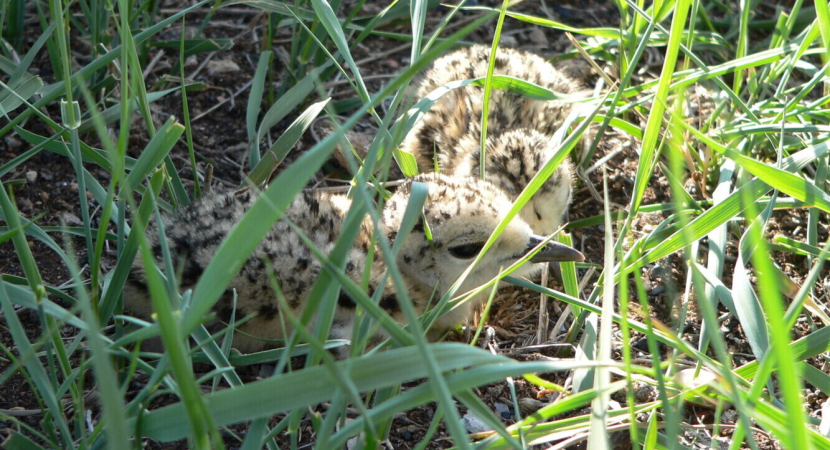
Фотография в рамке "Птенец кречётки" от члена команды проекта Максима Королькова.
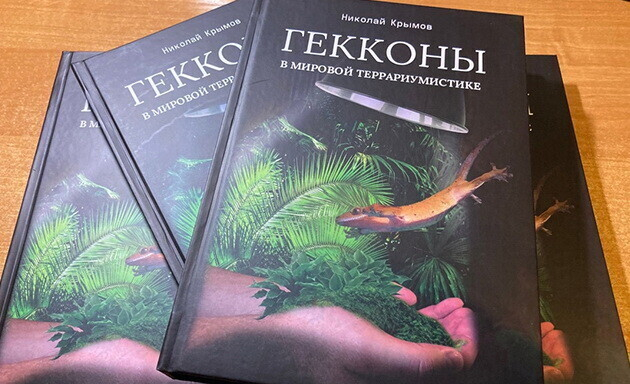
Книга с подписью автора Николая Крымова. Эта книга-справочник, в котором дан краткий обзор по 490 видам гекконов
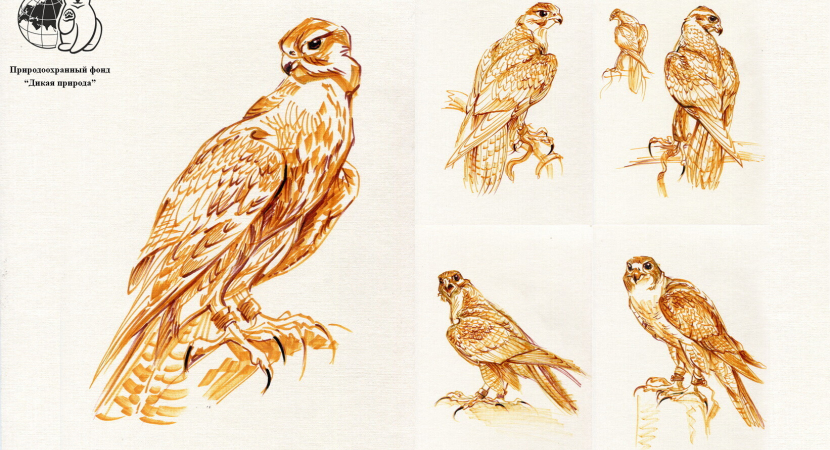
Набор из пяти открыток "Сокол" от известного художника-анималиста, орнитолога Татьяны Петровой со скидкой!
Набор из пяти открыток "Природа Угловского района Алтайского края" из мест обитания кречётки.
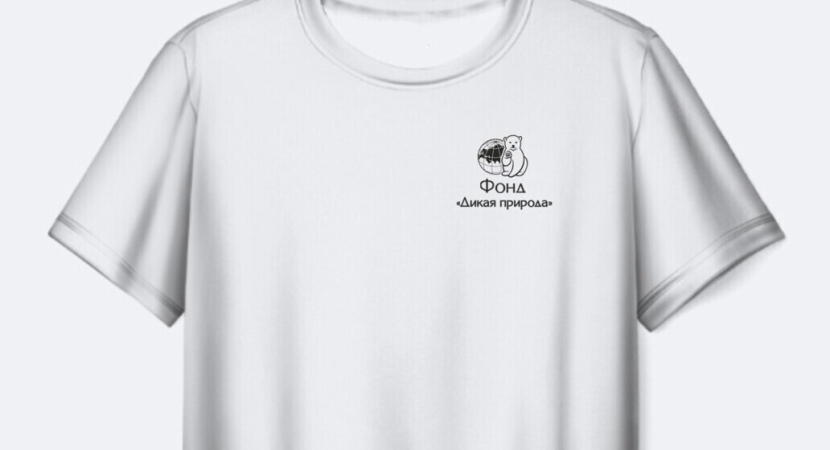
Фирменная качественная футболка фонда "Дикая природа". Белая, размер L. Всего 10 штук в наличии!

Кружка-хамелеон, черного цвета. Если вы зальете в нее горячую жидкость, начнутся метаморфозы
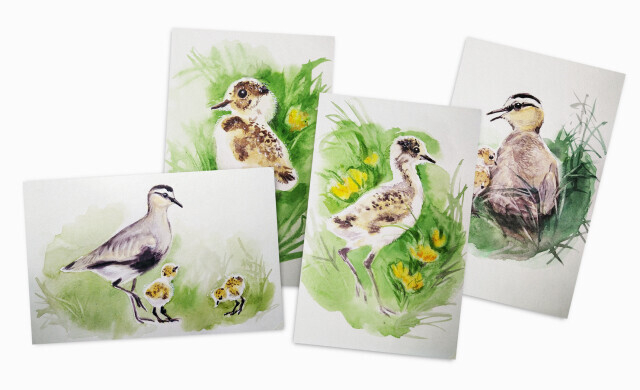
Набор из четырех открыток "Кречётка с птенцом" от известного художника-анималиста, орнитолога Татьяны Петровой.
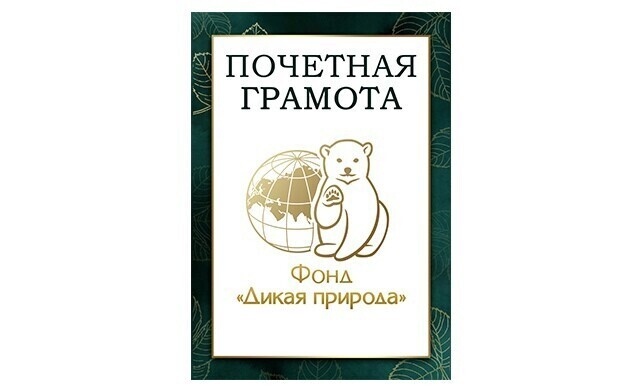
Именная грамота в рамке с благодарностью от Фонда "Дикая природа" за участие в проекте.
Лот от наших друзей и партнеров - заповедника "Чёрные земли" в Калмыкии!
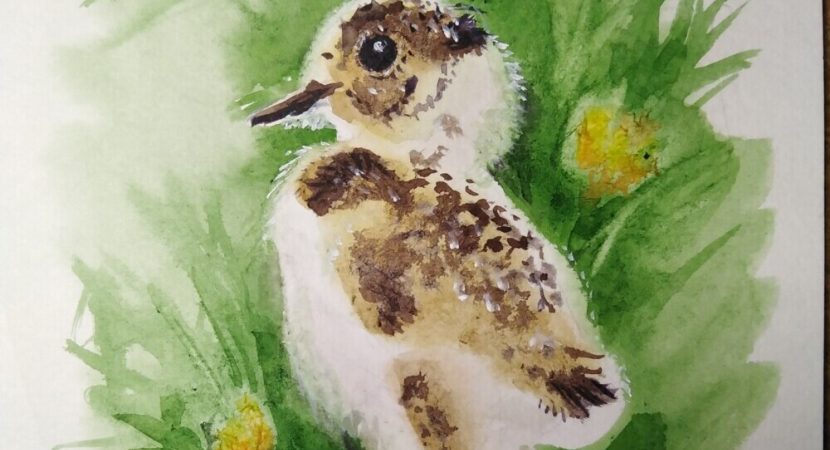
Петрова Татьяна, художник-анималист, орнитолог. Акварельная бумага, 14х21 см. Картина интерьерная в деревянной рамке
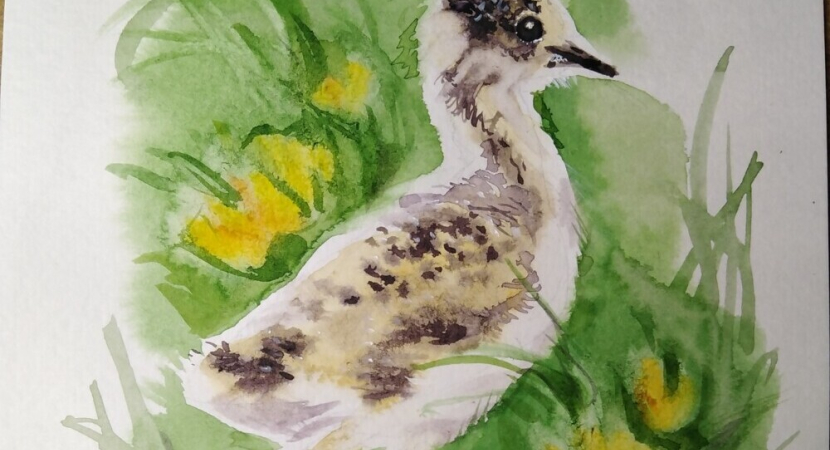
Петрова Татьяна, художник-анималист, орнитолог. Акварельная бумага, 14х21 см. Картина интерьерная в деревянной рамке
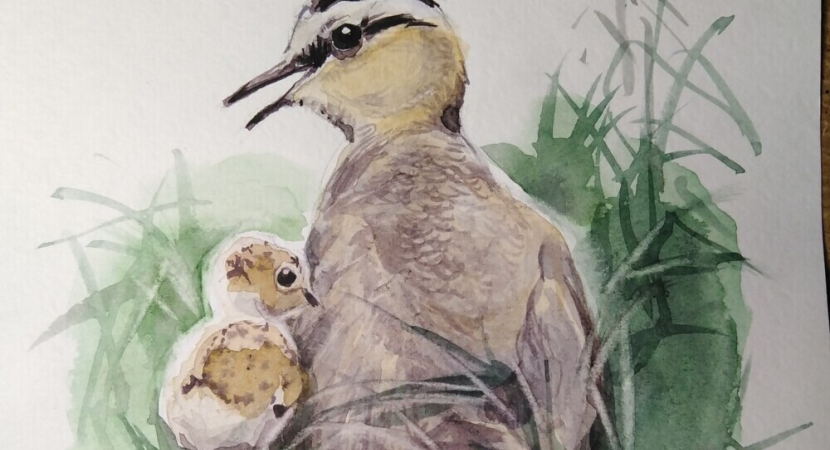
Петрова Татьяна, художник-анималист, орнитолог. Акварельная бумага, 14х21 см. Картина интерьерная в деревянной рамке
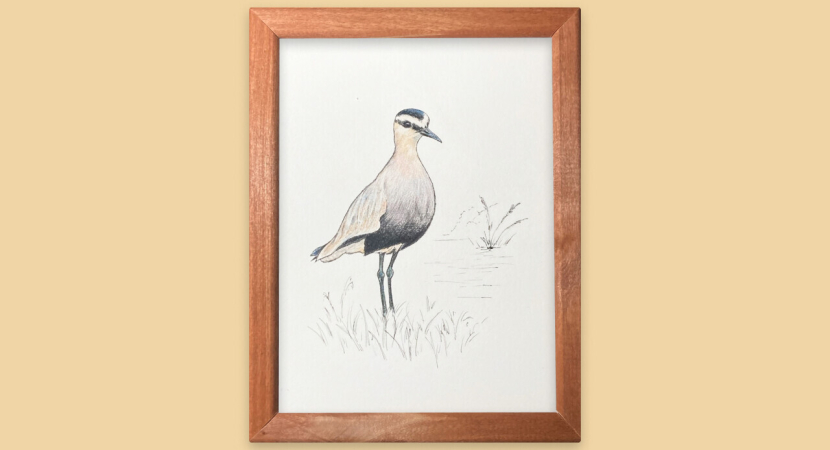
Картина в рамке, размер 150х210 мм Рисунок художницы Кузнецовой Ирины
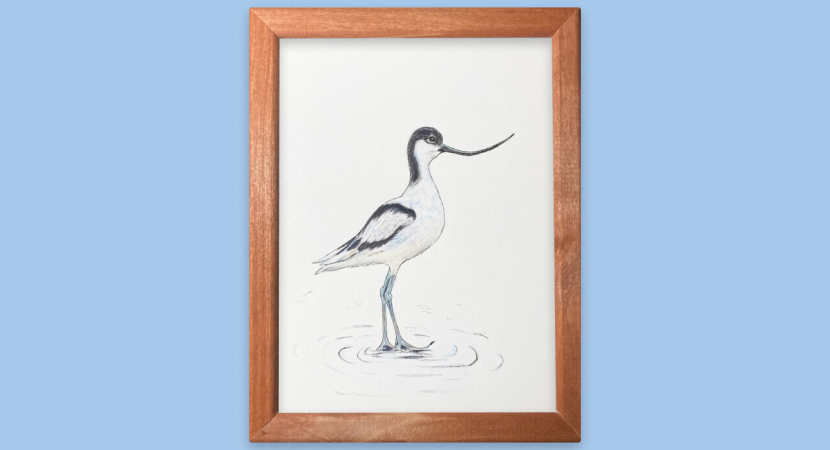
Картина в рамке, размер 150х210 мм Рисунок художницы Кузнецовой Ирины
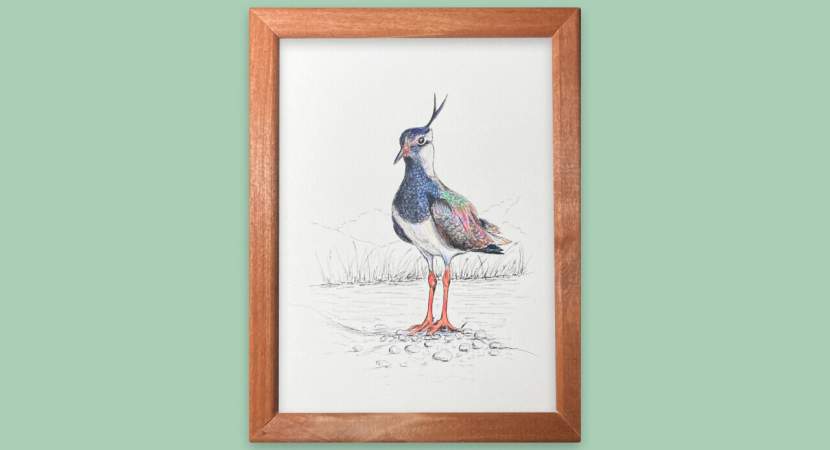
Картина в рамке, размер 150х210 мм Рисунок художницы Кузнецовой Ирины
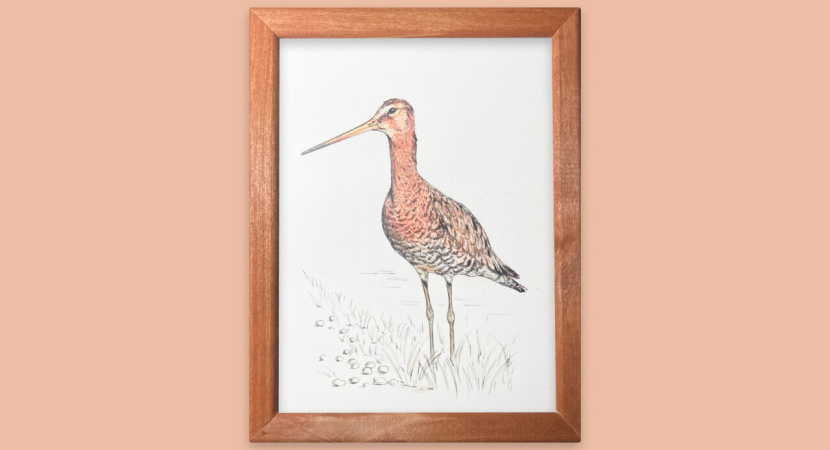
Картина в рамке, размер 150х210 мм Рисунок художницы Кузнецовой Ирины
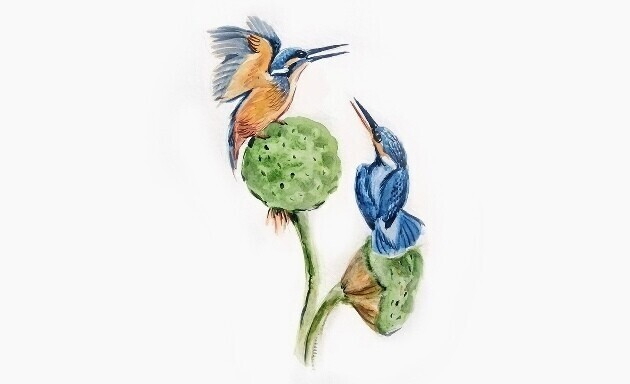
Петрова Татьяна, художник-анималист, орнитолог. Картинка "Зимородки" 2022 Акварельная бумага, 14х21 см.
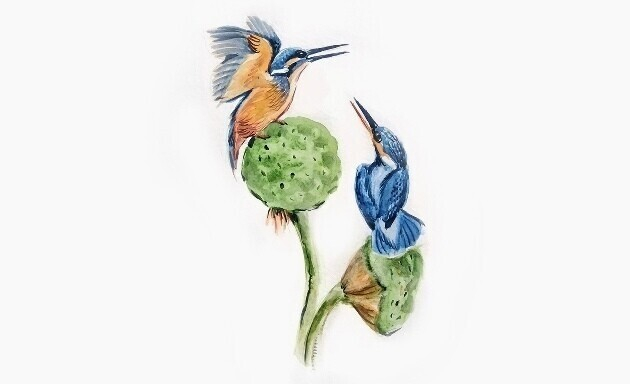
Петрова Татьяна, художник-анималист, орнитолог. "Синехвостка с птенцом" 2022 Акварельная бумага, 15х21 см.
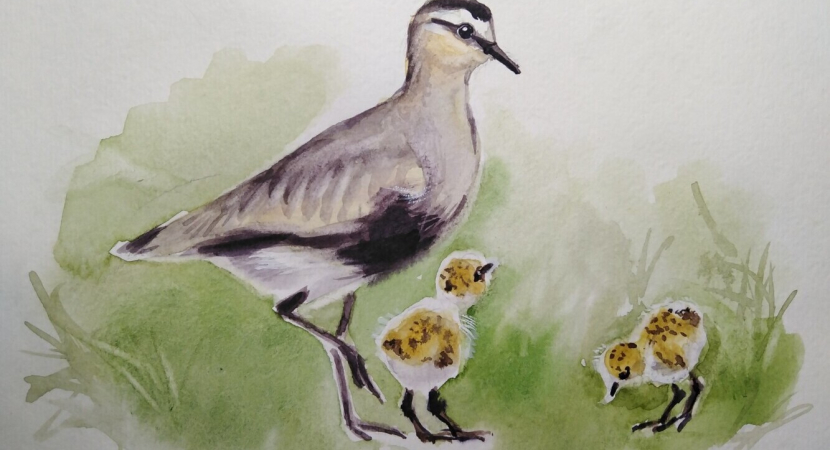
Петрова Татьяна, художник-анималист, орнитолог. Акварельная бумага, 14х21 см. Картина интерьерная в деревянной рамке.
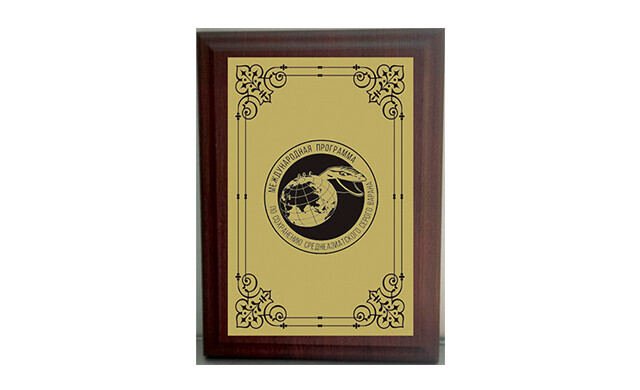
Плакетка наградная с благодарностью и пожеланиями участнику проекта от команды фонда "Дикая природа" со скидкой!
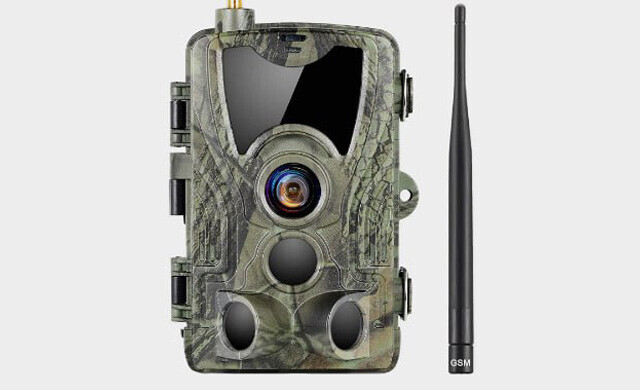
В благодарность за вашу поддержку отправим первый кадр с места установки фото ловушки на электронную почту.
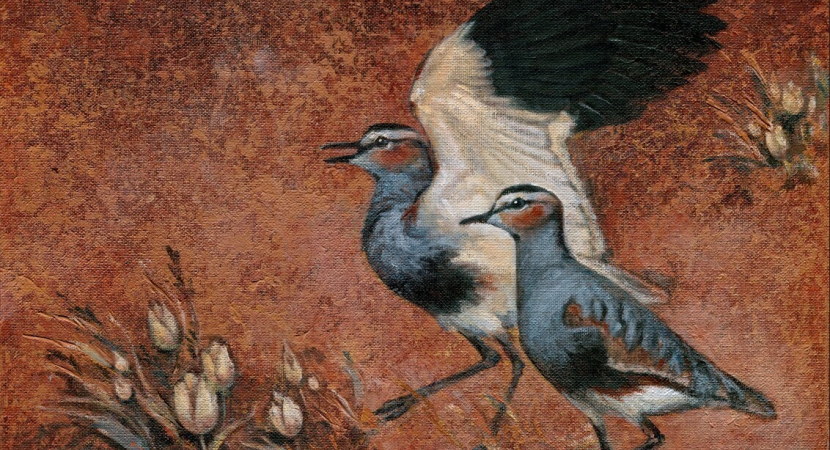
Картина "Кречетка" в деревянной рамке 2024 год, 30х40 см, акрил, холст на картоне со скидкой!
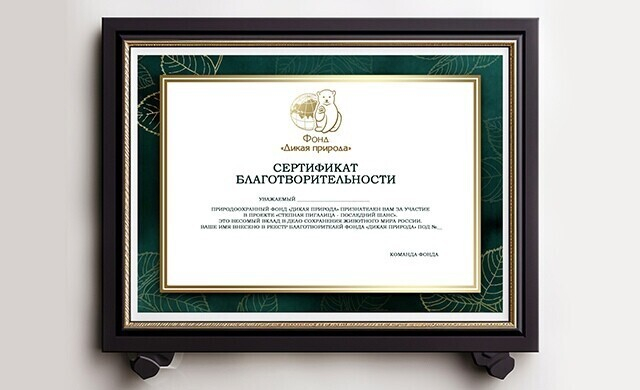
Сертификат размещенный на плакетке от Природоохранного фонда "Дикая природа". Ваше имя будет внесено в реестр
Село Пелиния является крупнейшим на севере Молдовы с населением в 7602 жителя.
Село Пелиния является крупнейшим на севере Молдовы с населением в 7602 жителя.
Село Пелиния является крупнейшим на севере Молдовы с населением в 7602 жителя.
Село Пелиния является крупнейшим на севере Молдовы с населением в 7602 жителя.
Село Пелиния является крупнейшим на севере Молдовы с населением в 7602 жителя.